
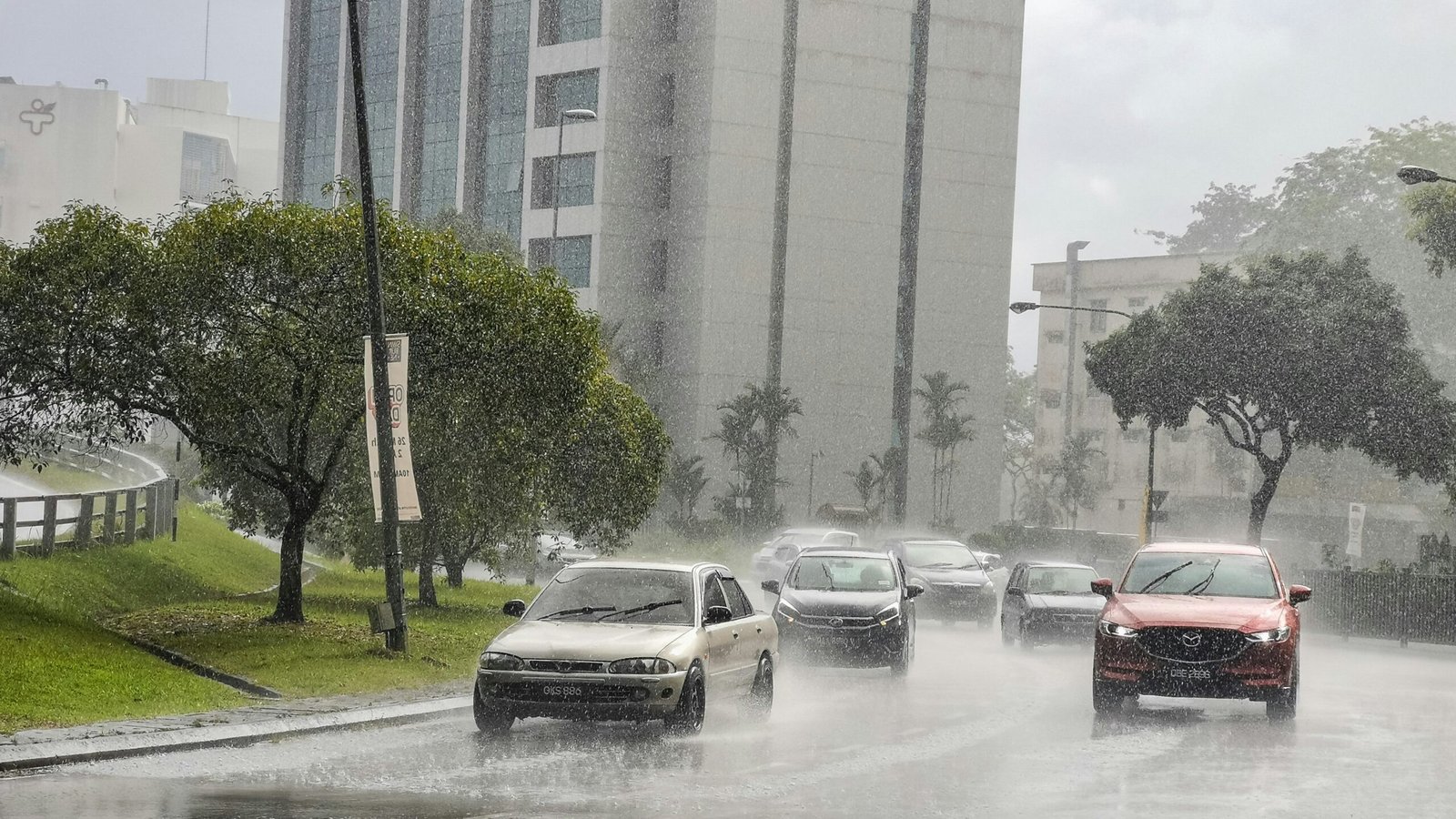
Are you really in control when the rain hits the road or just along for the slide?
That question might sound dramatic, but every time raindrops meet asphalt, tires have to work hard, and often, they fail us. If you’ve ever felt your car wobbly under braking in a downpour or noticed how steering feels mushy on wet roads, you’re not imagining things.
Wet weather affects tires, traction, braking, and even your reaction time. The good news? With the right knowledge and habits, you can dramatically reduce the danger and regain control.
Rainy Roads: A Real Hidden Danger
Wet roads are more than a little inconvenient, they’re a big risk. According to data from the Federal Highway Administration (FHWA), about 70% of weather‑related crashes occur on wet pavement and roughly 46% happen while it’s actively raining.
Some more sobering numbers: in recent years, wet‑pavement accidents (or those related to rainfall) have been rising. One report tracking a major highway system showed that from 2022 to 2024, the share of crashes happening under wet conditions increased from roughly 26,300 to over 32,000, a jump from 30% to around 34% of all crashes for that corridor.
In short: wet weather isn’t just “a bit slippery”, it’s one of the most common triggers of road crashes. So if your tires “don’t feel right,” maybe there’s a real reason.
Why Do Tires Often Lose Grip in the Rain?
Wet roads are natural enemies of traction. Here’s what happens:
- Water reduces friction. The thin film of water on the surface acts almost like a lubricant, creating a slippery barrier between your tires and the asphalt.
- Oil, dirt, and residues make it worse. After long dry spells, road surfaces often accumulate oils, dust, and grime. The first raindrops mix with that, creating a slick, “greasy” coating that makes traction even more precarious.
- Aquaplaning danger. In heavier rain or standing water, tires can’t push all the water aside fast enough, causing the car to momentarily ride on water, losing contact with the road entirely (a phenomenon commonly called “hydroplaning”).
Because of these factors, even well‑maintained tires behave differently in rain than in dry weather. That difference isn’t minor; it can mean the difference between stopping safely and sliding past the intersection.
When “Normal Wet Grip” Turns Into a Problem
It’s one thing for tires to feel a bit loose in the rain, but there are situations when they perform much worse than they should. That often signals a deeper issue. Some of the main culprits:
- Worn‑out tread. Tire treads are designed with grooves and channels that push water aside. As the tread wears down, those channels shrink, reducing the tire’s ability to evacuate water, and dramatically increasing hydroplaning risk.
- Aging rubber. Over time, rubber hardens. Old tires, even if they “look fine”, lose elasticity. On wet roads, hardened rubber grips poorly.
- Improper tire pressure. Under‑ or over‑inflated tires don’t make full contact with the road. Under‑inflation reduces the contact patch and channels for water; over‑inflation reduces grip area, both reducing traction.
- Poor tire type for conditions. Summer‑only tires, for example, are optimized for dry, warm weather. They do poorly in wet or cold conditions compared to all‑season or tires built for wet weather.
If your tires are old, worn, or poorly maintained, expecting great grip in the rain is unrealistic.
Real‑World Wake‑Up Call: A Case Study
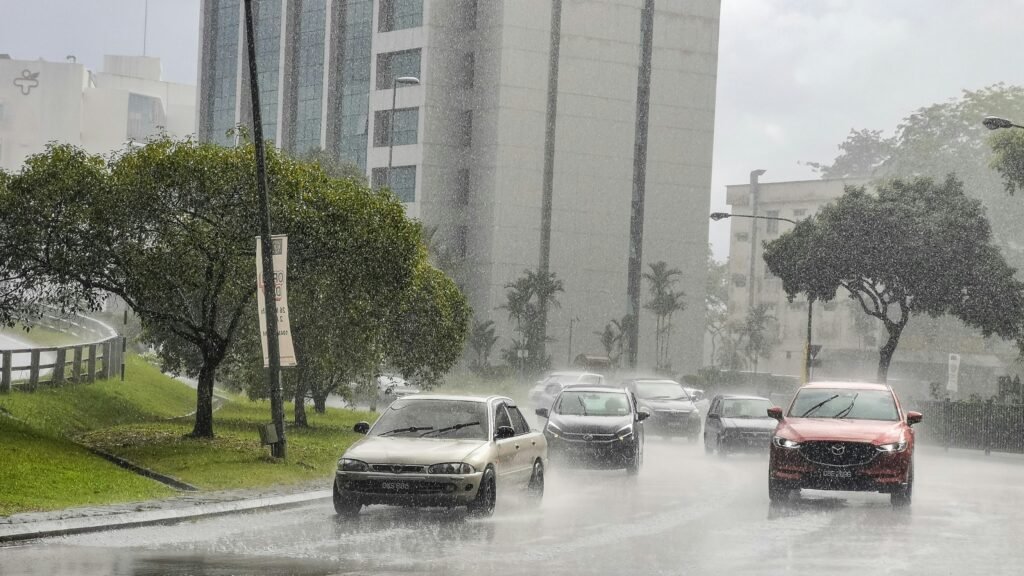
Last year, in a suburban region of Florida, authorities reported that crashes on one major interstate rose sharply after a series of summer storms. The stretch of highway saw roughly 32,000 wet‑weather crashes in 2024, up from about 28,400 the year before, representing roughly 34% of all crashes on that road.
Investigators found that many of the vehicles involved had tires with worn-down tread or improper inflation. In dozens of cases, drivers admitted their tires were over 6 years old or had tread depths below 4/32 inches. The combination of summer‑worn tires and wet pavement proved catastrophic.
When interviewed, a local driver said: “I’ve driven this road a hundred times. I never thought a little rain would spin me out, but the first rainfall after dry summer felt like skating.” Many of the accidents occurred during the first rain after dry spells, underscoring a hidden risk: the start of the rainy season, or first showers after a long dry stretch, may pose greater danger than heavy continuous rain.
This case illustrates the point: it’s not just heavy storms, even light rain on worn tires and slippery roads can spell trouble.
What You Can Do: 5 Actionable Steps to Reclaim Grip
If you want to stay safe and keep control when rain hits, do this:
1. Inspect your tires: tread and age matter
Check your tires for tread depth. As a rule of thumb, if tread seems shallow (e.g. worn close to minimal legal depth), it’s time to replace them. Old tires (5 to 6 years or older), even if the tread looks okay, may have hardened rubber and less grip.
2. Maintain proper tire pressure
Check your tire pressure regularly (monthly is ideal), and make sure it matches your vehicle manufacturer’s recommendations. Don’t just go by how “full” the tire feels, use a gauge.
3. Consider switching to wet‑weather‑optimized or all‑season tires if you live where rain is frequent
If you often drive in rainy conditions, don’t rely on summer‑only tires. All‑season or tires designed for wet weather do a far better job of evacuating water and retaining traction.
4. Modify your driving style in the rain
- Slow down: even if the rain is light, wet roads reduce traction and increase braking distances.
- Keep a larger following distance: more room gives more time to react.
- Avoid sudden steering, braking, or acceleration. Smooth inputs reduce the chances of slipping.
- Avoid cruise control in heavy rain, as it can delay reaction time if you need to brake or steer suddenly.
5. Pay extra attention during first rains after a dry spell
Drivers often let their guard down when it hasn’t rained for a while, but that’s when roads may be extra slick from dust and oil accumulation. Be extra cautious during such moments.
Long-Term Thinking: Treat Tires as a Safety Investment
Few parts of a car are as crucial, yet often overlooked as tires. Think of tires as the only physical connection between you and the road. If that connection is compromised (worn tread, aging rubber, low pressure), nothing like ABS, traction control, or driver skill can fully compensate.
Replacing tires may seem pricey. But it’s far cheaper financially and in terms of human cost, than being the cause or victim of a crash.
Also, this isn’t just a personal issue. On a broader scale, with more cars on the road than ever and more unpredictable weather patterns, wet‑road safety matters for everyone. As more drivers commit to proper maintenance and safe driving habits, overall crash risks decrease.
Final Thoughts
Wet roads don’t have to be terror zones. But they do demand respect. When you treat rain as a serious driving condition, not just an annoyance, you reclaim control.
- Check tires (age, tread, pressure)
- Use appropriate tires for your climate
- Adjust your driving: slower, smoother, safer
- Give extra caution during first rains or tricky weather
Each step might seem small. But together, they make a world of difference.
So next time the forecast calls for rain, don’t curse the weather. Use it as a reminder. Inspect your tires. Adjust your speed. Embrace a smarter, safer way to drive. Because when the road gets slick, your safety depends on the silent, but powerful connection between rubber and road.
Stay safe. Drive smart. Respect the rain.