
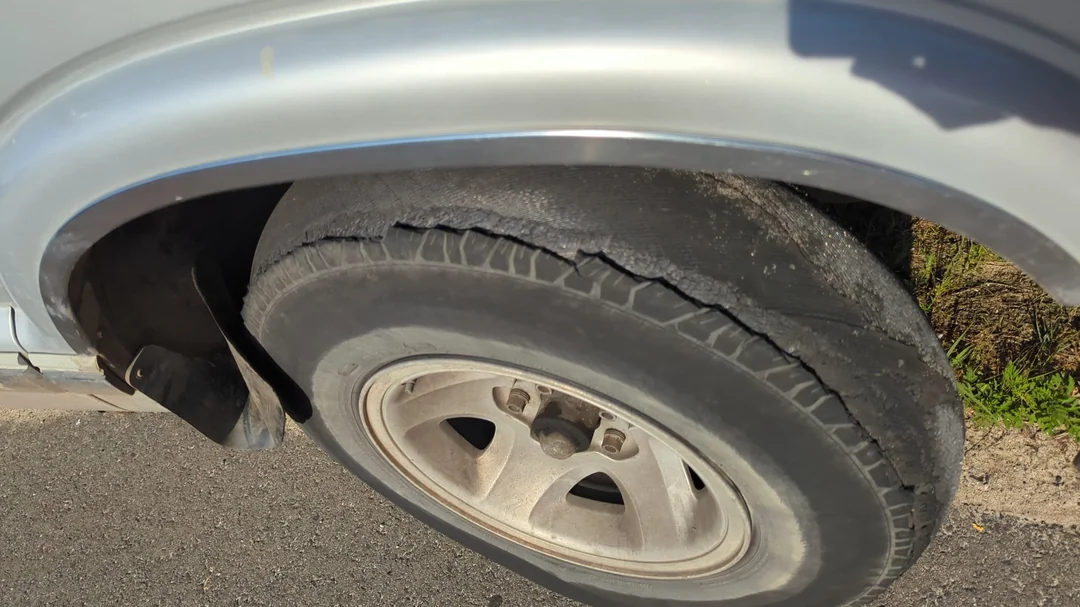
Have you ever wondered how something as tough as a tire can suddenly fail seemingly out of nowhere?
It’s a question many drivers only start asking after a blowout on the highway or a scary vibration mid-drive. While we often trust our tires without a second thought, one hidden culprit behind unexpected failures is tire delamination – a term that sounds technical but has very real consequences for everyday drivers.
In this blog, we’ll break down what tire delamination is, why it happens, and how you can prevent it. Grab your coffee, get comfy, and let’s dive in.
Tire delamination is exactly what it sounds like, the layers of a tire separating from one another, typically the tread peeling away from the body of the tire.
A tire may look like one solid piece of rubber, but in reality, it’s a carefully constructed product made of steel belts, layered rubber compounds, plies, and liners. These layers are bonded together under pressure and heat during manufacturing.
When that bond breaks down, whether due to heat, wear, or external damage, the tread begins to lift or peel away. That’s tire delamination.
And yes, it’s as dangerous as it sounds.
A Real-Life Wake-Up Call
In early 2024, a delivery company in Arizona reported that three of its vans experienced tread separation within a single month. After investigation, the issue was traced back to two factors:
Extremely hot road conditions (often over 110°F)
Underinflated tires increasing internal heat
The combination created a perfect storm for tire delamination. Fortunately, no drivers were injured—but the event highlighted how quickly this problem can escalate if ignored.
Why Does Tire Delamination Happen?
Let’s explore the most common reasons, from everyday mistakes to manufacturing mishaps.
1. Excessive Heat
Heat is the number one enemy of tire health.
When tires overheat, the bonding agents weaken, making separation more likely.
What causes extreme tire heat?
- Driving long distances at high speeds
- Hot weather + hot pavement
- Underinflation
- Using winter tires in summer months
According to tire safety data from 2023, up to 75% of tread separation cases occur in high-temperature conditions, especially in hot-climate states.
2. Extreme or Uneven Wear
Tires worn past their safe tread depth lose structural integrity. Once the rubber becomes thin, the steel belts underneath can loosen, making delamination more likely.
Signs you’re heading toward trouble:
- Exposed steel cords
- One side of the tread wearing significantly faster
- Bald patches
3. Road Damage
Hitting curbs, potholes, or debris doesn’t always cause immediate symptoms. But internal damage can slowly worsen until the tread detaches.
If you regularly drive rough roads, your risk increases.
4. Manufacturing Defects
Rare but still possible.
Lower-tier manufacturers sometimes struggle with consistency in bonding, leading to weak spots in the tire structure.
Premium brands have higher quality control, but no tire is completely immune.
5. Improper Retreading
Retreading is popular in commercial trucking but increasingly seen in budget-minded drivers. If done correctly, retreaded tires can be safe.
But if the bonding process fails, tread separation becomes a real risk.
Is Tire Delamination Fixable?
Here’s the blunt truth: No, not safely.
Once a tire starts delaminating, the structural damage is already done. No patch, glue, or DIY trick can restore the integrity of the tire.
The safest choice is always the same: Replace the tire immediately.
How to Prevent Tire Delamination
The good news? Delamination is far more preventable than many other types of tire damage.
1. Maintain Proper Tire Pressure
Check your pressure at least once a month. Underinflation dramatically increases heat buildup.
2. Avoid Overloading Your Vehicle
Excess weight forces tires to flex more than they’re designed to, weakening internal layers.
3. Monitor Tire Wear
Rotate your tires and inspect them regularly.
Replace them once they reach 4/32”–5/32” of tread depth.
4. Be Mindful of Temperature
Don’t use winter tires in summer.
Avoid aggressive driving on extremely hot days.
5. Choose Quality Tires
Higher-quality tires use better bonding processes and are tested more rigorously.
Final Thoughts: Your Tires Are Talking, Are You Listening?
Tire delamination may not be the most common type of tire failure, but when it happens, it’s one of the most dangerous. The tread peeling off at highway speeds can lead to a total loss of control and most drivers never see it coming.
By understanding the causes and staying proactive with tire care, you can dramatically reduce the risk.
Your tires are the only part of your car touching the road. Treat them well, and they’ll return the favor, mile after mile.